Reading Habit Recovery Planner
Find Your Custom Strategy
Identify the primary barrier to help determine the best approach.
Select a challenge on the left to generate a tailored recovery plan.
Key Takeaways
- Instant gratification from social media kills the patience required for long-form reading.
- The "schoolification" of reading turns a hobby into a chore.
- Digital literacy is evolving, but deep reading skills are declining.
- Family modeling and autonomy in book choice are the strongest drivers of reading habits.
The Dopamine Loop and the Death of Patience
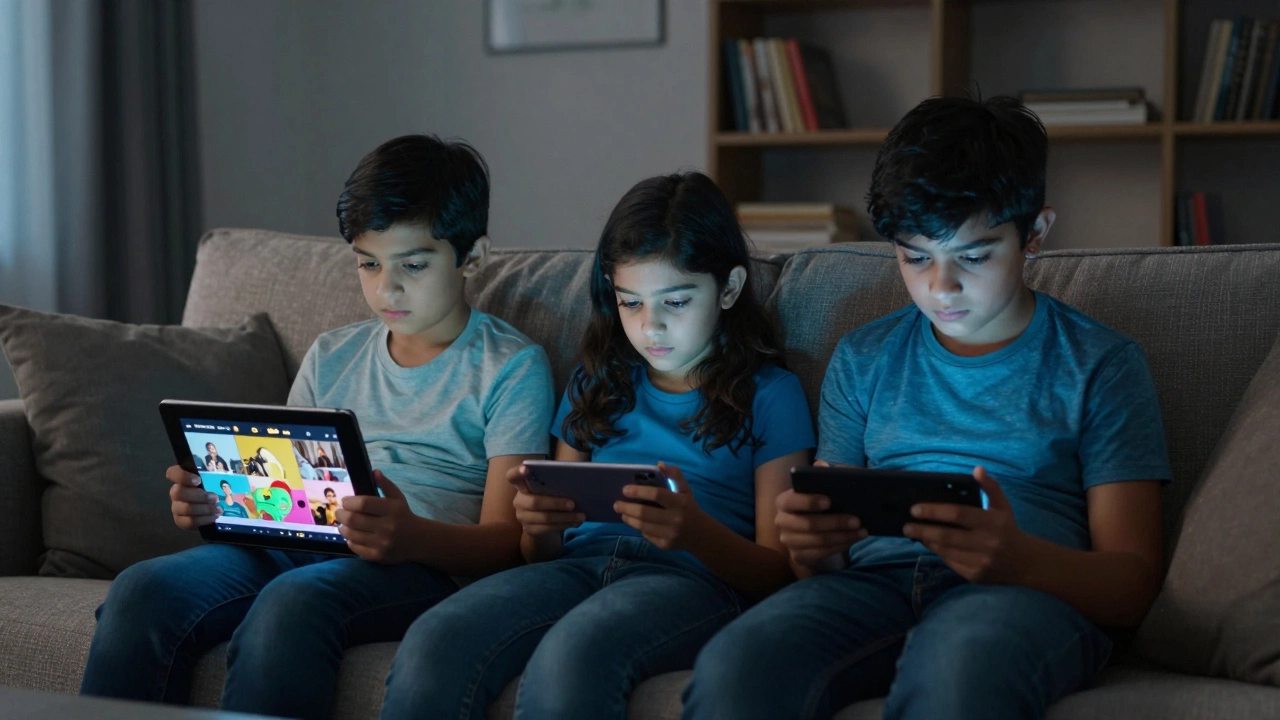
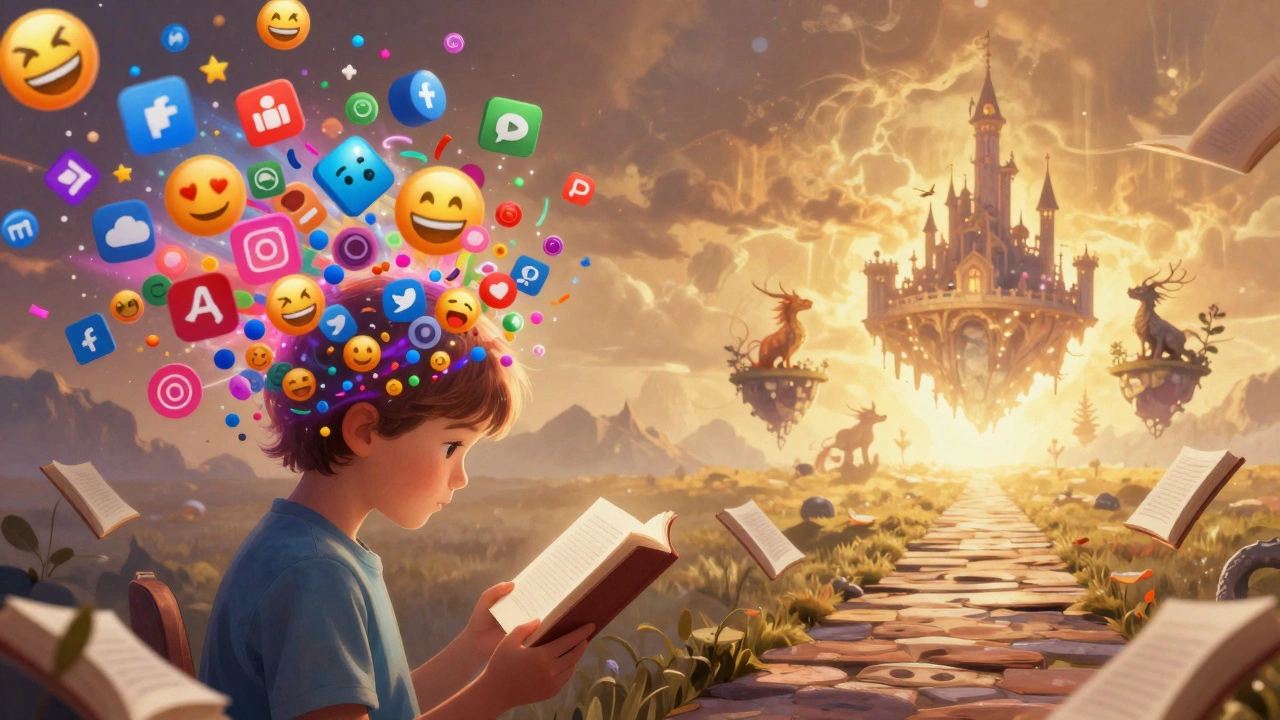
The biggest enemy of the modern book isn't the television; it's the algorithm. When a child spends four hours a day on TikTok or YouTube Shorts, their brain gets used to a very specific reward cycle. Every 15 to 60 seconds, they get a new hit of dopamine from a punchline, a visual trick, or a surprising plot twist. Reading a novel requires the exact opposite: deferred gratification. You have to slog through 50 pages of character development before the big payoff happens.
This creates a cognitive gap. A ten-year-old who is used to the speed of a digital feed finds the pace of a 300-page book agonizingly slow. They aren't lazy; their brains are literally wired for a different speed of information delivery. This is why many kids struggle with Reading Comprehension-not because they can't decode the words, but because they lose focus when the "reward" isn't immediate.
When Reading Becomes a Chore
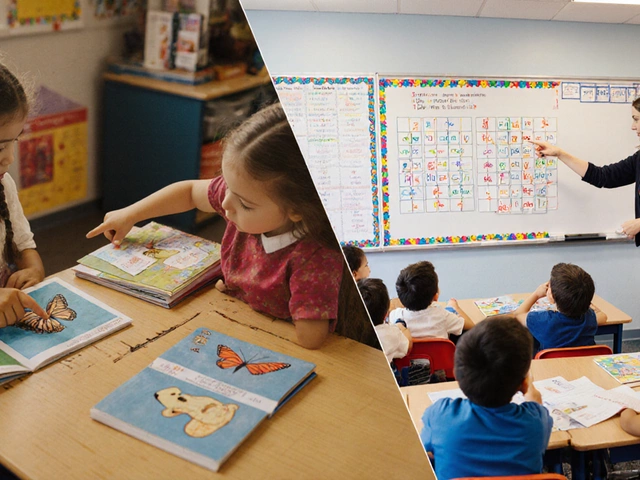
For many students, reading has ceased to be a leisure activity and has become a set of requirements. In many school systems, reading is tied strictly to assessment. We see this in the rise of "leveled reading" and strict curriculum guides. When a child is told they must read a specific book to pass a test, or when they are forced to write a detailed analysis of a theme they don't care about, the act of reading becomes associated with work rather than pleasure.
This is what educators call the "schoolification" of literacy. When the joy of discovery is replaced by the pressure of performance, kids develop an aversion to books. They start to see reading as a task to be completed-like cleaning their room-rather than an escape. If the only time a child interacts with a book is during a mandatory 20-minute silent reading block in a noisy classroom, why would they want to do that at home?
The Shift in Storytelling Mediums
It's also worth noting that kids are still consuming stories; they're just doing it differently. Interactive Fiction, video game narratives like those found in Minecraft or Roblox, and graphic novels have taken over. The traditional prose novel is no longer the only gateway to another world.
| Feature | Traditional Books | Digital/Interactive Media | Impact on Child |
|---|---|---|---|
| Pacing | Slow, controlled by reader | Fast, controlled by algorithm | Lower patience for long narratives |
| Engagement | Passive/Imaginative | Active/Interactive | Preference for sensory stimulation |
| Cognitive Load | High (requires visualization) | Low (visuals provided) | Weakening of mental imagery skills |
| Reward System | Long-term (Emotional arc) | Short-term (Instant hits) | Difficulty with delayed gratification |
The Erosion of the Home Library
There's a physical component to this as well. In the push for minimalism and the rise of digital devices, the physical presence of books in the home has diminished. Research into the "home literacy environment" shows a direct correlation between the number of books a child can see and touch and their likelihood of becoming a reader. If books are hidden away in a single shelf in the basement or replaced entirely by a Kindle, they lose their status as a natural part of the environment.
Moreover, kids mimic adult behavior. If a child sees their parents spending every spare second on a smartphone, the unspoken message is: "This is how we relax." When parents tell their kids to read while they themselves are scrolling through news feeds, it creates a credibility gap. Reading doesn't look like a rewarding activity if the adults in the house aren't doing it.
How to Bring Back the Love of Reading
If we want to reverse this trend, we can't just take away the screens-that usually leads to resentment and rebellion. Instead, we need to change the way reading is positioned in a child's life. The goal is to move from "mandated reading" to "autonomous reading."
First, let them read whatever they want. If they are obsessed with Graphic Novels or manga, let them dive in. The "quality" of the literature matters far less than the habit of reading. Once a child enjoys the act of finishing a story, they are much more likely to experiment with more complex texts. Forcing a child to read "the classics" before they've developed a taste for reading is like forcing someone to eat steamed kale before they've ever had a piece of fruit.
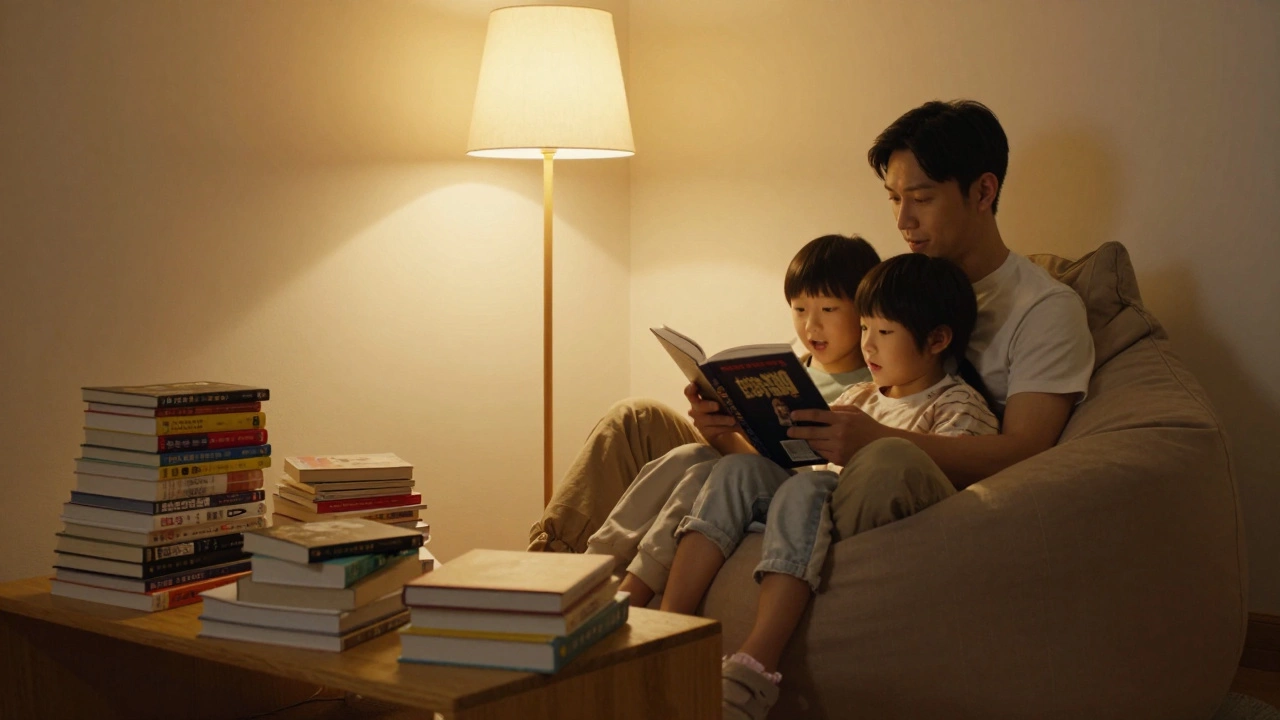
Second, create a "reading sanctuary." This isn't about a fancy library, but a dedicated space where screens are banned and comfort is prioritized. A beanbag chair, a good lamp, and a pile of books they've chosen themselves can make the experience feel like a treat rather than a chore. When reading feels like a luxury, kids are drawn to it.
Finally, bring back the oral tradition. Reading aloud to children-even those who can already read-removes the cognitive burden of decoding and allows them to focus purely on the story. This is particularly effective for kids who struggle with focus. By reading a chapter of a gripping mystery to them at bedtime, you're creating a "cliffhanger effect" that makes them want to pick up the book the next day to find out what happens.
The Role of Libraries in a Digital Age
Modern libraries have evolved into community hubs, and this is a huge advantage. They are no longer just warehouses for books; they are spaces for Literacy Programs, coding clubs, and maker spaces. By integrating reading with other interests-like a book about robotics followed by a session with a 3D printer-libraries help children see reading as a tool for empowerment and creation, not just a school requirement.
The key is to stop treating reading as a competition against technology. Instead, use technology to bridge the gap. Audiobooks, for example, are a fantastic entry point. They allow children to experience complex narratives without the frustration of struggling with difficult vocabulary. Many kids who "hate reading" actually love stories; they just hate the physical act of staring at a page for hours.
Are audiobooks actually "reading"?
Yes, in terms of cognitive processing. While the eyes aren't moving, the brain is still processing narrative structure, vocabulary, and emotional arcs. For many reluctant readers, audiobooks are the perfect gateway because they remove the mechanical struggle of decoding words, allowing the child to fall in love with the story first.
Should I force my child to read the classics to improve their vocabulary?
Generally, no. Forcing a child into books that are too far above their current interest or reading level often creates a lifelong negative association with reading. It's better to let them read "junk food" books that they love. Once the habit of reading is ingrained, their curiosity will naturally lead them toward more challenging material.
How much screen time is too much for a developing reader?
It's less about the total minutes and more about the type of content. Passive, high-speed scrolling is the most damaging to reading focus. However, a child spending three hours building a complex world in a game with a deep story is engaging their brain differently. The goal is balance-ensuring that digital time doesn't completely displace the "slow time" required for books.
How can I encourage a child who says they "hate" books?
Stop asking them to "read more" and start sharing stories. Talk about the plot of a book you're reading, read a few pages of something exciting aloud, or take them to a bookstore and tell them they can pick any book-even if it's a comic or a guide to video games. The objective is to remove the pressure and replace it with curiosity.
Do graphic novels count as real reading?
Absolutely. Graphic novels require the reader to process both visual and textual information simultaneously, which is a complex cognitive task. They are often the first point of entry for reluctant readers and provide a sense of accomplishment because the visual cues make the story move faster.
Next Steps for Parents and Educators
If you're dealing with a child who has completely checked out of reading, start small. Don't aim for a novel immediately. Try a short-story collection or a non-fiction book about a topic they are obsessed with, like dinosaurs or space. The moment they realize that a book can give them information or an experience that a 15-second video cannot, the tide begins to turn.
For those in a classroom setting, consider implementing "choice-based reading hours" where students can read anything from a magazine to a manga. When we stop policing the content and start encouraging the act of reading, we stop the decline of literacy and start building a generation of thinkers who can handle a long-form idea without needing a "like" button to keep them interested.