ACOTAR Fae Explorer & Quiz
Select a Faction or Court
Or Select a Specific Court:
Select a faction or court to view details.
Explore the hierarchy, powers, and cultural traits of Prythian's inhabitants.
Test Your Knowledge
Loading question...
You just finished A Court of Thorns and Roses (ACOTAR) by Sarah J. Maas, or maybe you're halfway through the series, and a question keeps nagging at you: what exactly are these creatures? The term "fae" gets thrown around a lot in fantasy books, but in the world of Prythian, it’s not a blanket label for everyone with pointy ears. There is a strict hierarchy, distinct biological differences, and specific rules that govern who can do what. If you’re confused about why Feyre became High Fae while Lucien remained a Lesser Fae, or why Tamlin’s court looks different from Rhysand’s, you aren’t alone. This breakdown cuts through the lore to explain exactly who is who.
The Core Distinction: High Fae vs. Lesser Fae
The most fundamental split in ACOTAR magic isn't between good and evil-it's between High Fae and Lesser Fae. Think of it less like species and more like a rigid class system with biological underpinnings. High Fae are the ruling elite. They possess immense magical potential, live significantly longer than humans (though not immortal), and have physical traits that mark them as superior in the eyes of their society. We’re talking about pointed ears, teeth that sharpen when they feed or fight, and eyes that can glow with power. Their magic is innate; they don't need wands or incantations to throw fireballs or heal wounds, though control takes practice.
Lesser Fae, on the other hand, are often looked down upon by the High Fae. While they still have some magical abilities, their power is generally weaker and less versatile. Many Lesser Fae serve the High Fae, acting as soldiers, servants, or advisors. A key detail here is that Lesser Fae cannot cross into human lands without permission or specific protective wards, whereas High Fae have more freedom of movement due to their stronger inherent magic. This dynamic creates much of the social tension in the early books. When you see characters like Azriel or Mor, remember they are High Fae. Characters like Lucien start as Lesser Fae but undergo significant changes later in the series, blurring these lines.
| Feature | High Fae | Lesser Fae |
|---|---|---|
| Magic Potential | High; versatile and powerful | Lower; often specialized or limited |
| Lifespan | Centuries long | Shorter, though longer than humans |
| Social Status | Ruling class/Nobility | Servants/Soldiers/Commoners |
| Human Land Access | Easier crossing via wards/magic | Restricted; requires invitation or protection |
The Seven Courts of Prythian
Prythian is divided into seven courts, each ruled by a High Lord. These aren't just geographical locations; they represent different aspects of nature and magic. Understanding which court a character belongs to tells you almost everything about their personality and powers. For instance, if someone is from the Spring Court, expect themes of growth, renewal, and perhaps deceptive beauty. If they are from the Autumn Court, think decay, harvest, and raw, earthy strength.
The Spring Court, ruled by Tamlin, is where Feyre first enters the fae world. It is characterized by lush forests, eternal spring, and a focus on healing and plant life. Tamlin himself is a High Fae with strong ties to nature. Contrast this with the Night Court, led by Rhysand. The Night Court is located in Velaris, a city built on cliffs overlooking the sea. It is known for its stars, shadows, and a culture that values art, music, and emotional depth over brute force. Rhysand is a High Fae whose power centers on shadows and mind manipulation, reflecting the court's mysterious nature.
Other courts include the Summer Court (fire and passion), Winter Court (ice and preservation), Autumn Court (decay and change), Dawn Court (light and truth), and Day Court (sun and clarity). Each High Lord has unique abilities tied to their domain. For example, Helion of the Day Court controls sunlight, while Beron of the Autumn Court manipulates decay. Knowing the court helps you predict how a character might react to conflict. A Summer Court fae might be hot-headed and direct, while a Winter Court fae might be cold and calculating.
Feyre’s Transformation: From Human to High Fae
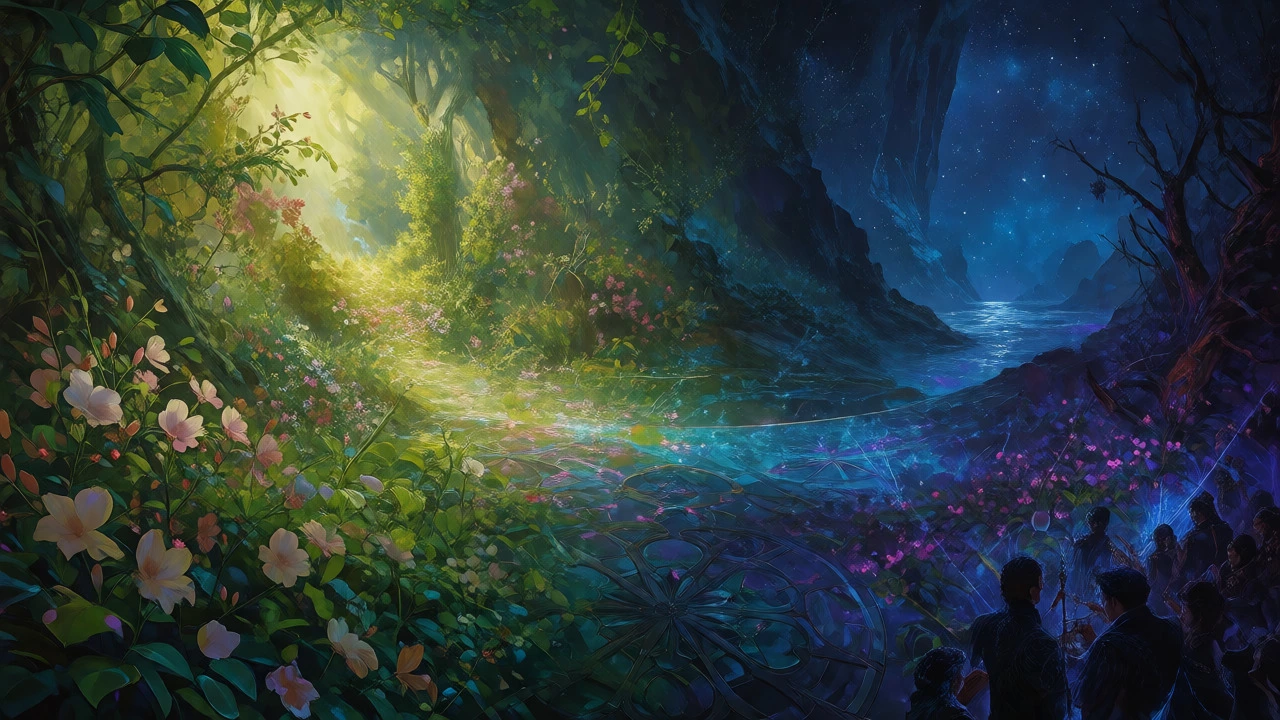
This is the big plot twist that confuses new readers. Feyre Archeron starts as a human huntress. She kills a wolf, which brings her to the attention of Tamlin. Through a series of events involving curses and sacrifices, she becomes a fae. But what kind? Initially, she appears to be a Lesser Fae, struggling with her new body and weaker magic. However, after her death and resurrection in the River of Memory, she transforms into a High Fae.
Why does this matter? Because as a High Fae, Feyre gains access to greater power, specifically the ability to wield illusions and manipulate reality, though she struggles to master it. Her status shifts from an outsider looking in to a player in the political game of Prythian. This transformation also alters her lifespan and physical appearance, giving her the classic High Fae traits. It’s not just a cosmetic upgrade; it fundamentally changes her role in the story and her relationships with other characters like Rhysand, who views her as an equal rather than a pet project.
The Illyrian Warriors: Not Quite Fae?
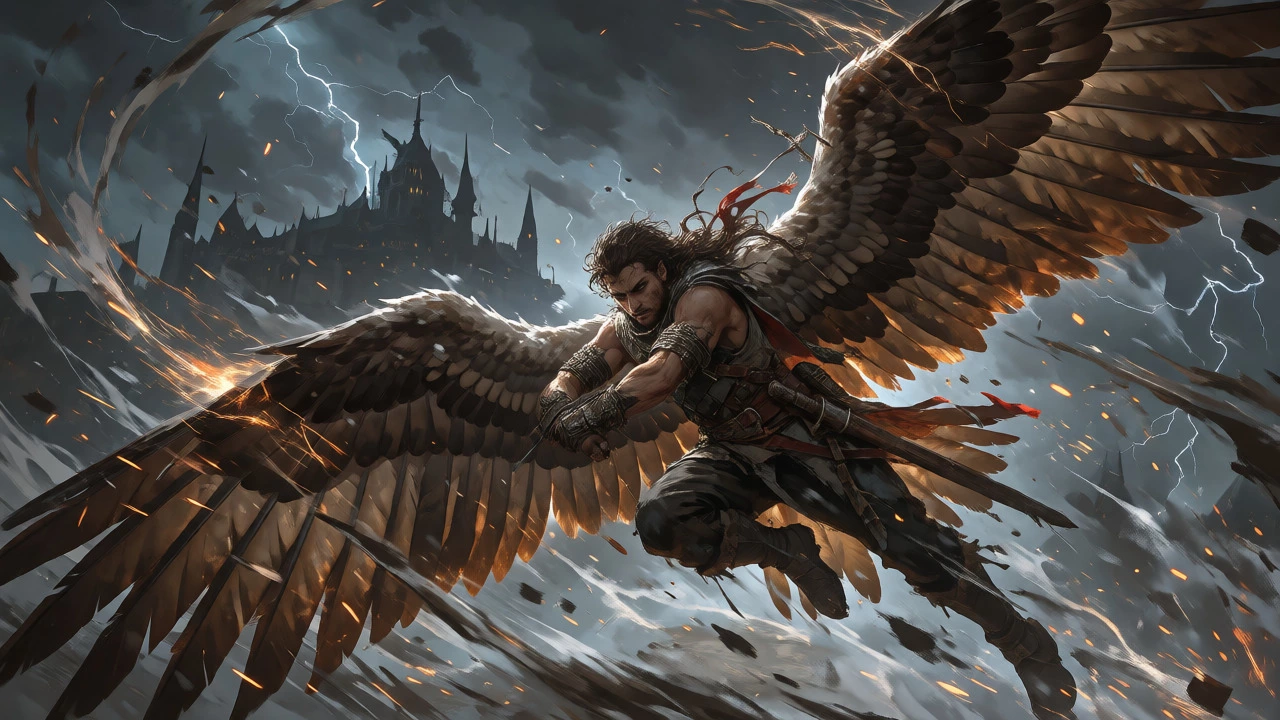
Then there are the Illyrians. Are they fae? Technically, no. Illyrians are a separate race of winged warriors who serve the Night Court. They are not born with wings; they receive them through a brutal ritual called the Blazing Star. Before that, they are essentially human-like children raised in a harsh military society. Once bonded, they gain enhanced strength, speed, and flight capabilities.
Cassian and Azriel are prominent examples. Cassian was born an Illyrian warrior, while Azriel was taken in as a child and underwent the bonding process. They possess magic, but it’s different from High Fae magic. It’s more physical and combat-oriented. They can fly, heal quickly, and fight with supernatural prowess. While they live among the High Fae and serve Rhysand, they maintain their own cultural identity. Confusing them with standard fae misses the nuance of their backstory and the trauma associated with their upbringing. They are allies, not subjects, which adds complexity to the Night Court’s internal politics.
Hybrids and Special Cases
As the series progresses, the lines blur further. You encounter hybrids-characters who are part fae, part human, or part something else entirely. Elain, Feyre’s sister, becomes a fae but retains many human emotions and limitations initially, making her journey distinct from Feyre’s. Then there are characters like Nesta, who undergoes a traumatic transformation that grants her immense power but leaves her psychologically scarred. These cases show that becoming fae isn't a one-size-fits-all experience. Your origin story dictates your power set and your societal standing.
Additionally, there are ancient beings like the Mother of Wings or the Great Ones, entities that predate the current court structure. They operate on a cosmic scale, influencing fate and magic in ways that regular High Lords can’t fully comprehend. Recognizing these tiers helps you understand the stakes. When a High Lord fights, it’s dangerous. When a Great One intervenes, it’s apocalyptic.
Why Does the Type Matter?
You might wonder why all these distinctions exist. In ACOTAR, your fae type determines your survival chances, your romantic options, and your political leverage. High Fae can form bonds with other High Fae, creating powerful alliances. Lesser Fae often lack this agency. Illyrians offer military strength but face prejudice. Hybrids are often viewed with suspicion or curiosity.
For fans, knowing the type helps decode character motivations. Why is Rhysand so protective of Feyre? Because he sees her potential as a High Fae ally. Why does Tamlin struggle to accept Feyre’s independence? Because he views her through the lens of his Spring Court traditions. The taxonomy of fae is the backbone of the plot. Ignoring it means missing half the subtext.
Are all fae in ACOTAR immortal?
No, they are not truly immortal. High Fae can live for centuries, sometimes millennia, depending on their health and whether they die from injury or old age. Lesser Fae have shorter lifespans, though still longer than humans. They can be killed by violence, illness, or extreme magical exhaustion. Immortality in the traditional sense doesn't exist; they are just very long-lived.
Can humans become High Fae?
Yes, but it is rare and usually involves significant trauma or magical intervention. Feyre is the primary example. She transformed from human to Lesser Fae, then to High Fae after dying and being resurrected. Other humans, like Elain and Nesta, also undergo transformations, though their paths and resulting power levels differ. It is not a simple choice; it is often forced by circumstance.
What is the difference between a High Lord and a High Fae?
All High Lords are High Fae, but not all High Fae are High Lords. A High Lord is the ruler of one of the seven courts in Prythian. They hold supreme political and magical authority within their territory. A regular High Fae is a member of the noble class but lacks the governing power and the specific title associated with ruling a court.
Are Illyrians considered fae?
Technically, no. Illyrians are a distinct race of winged warriors. While they possess magic and live alongside the fae, they have their own origins, culture, and biology. They are not born with wings but receive them through the Blazing Star ritual. They are allies to the Night Court but maintain a separate identity from the High and Lesser Fae.
Why can’t Lesser Fae enter human lands?
It’s largely due to the strength of their magic and the protective wards surrounding human territories. High Fae have stronger innate magic that allows them to navigate the barriers between worlds more easily. Lesser Fae often require an invitation from a human or a specific magical token to cross safely. Without this, they may be repelled or weakened by the transition.