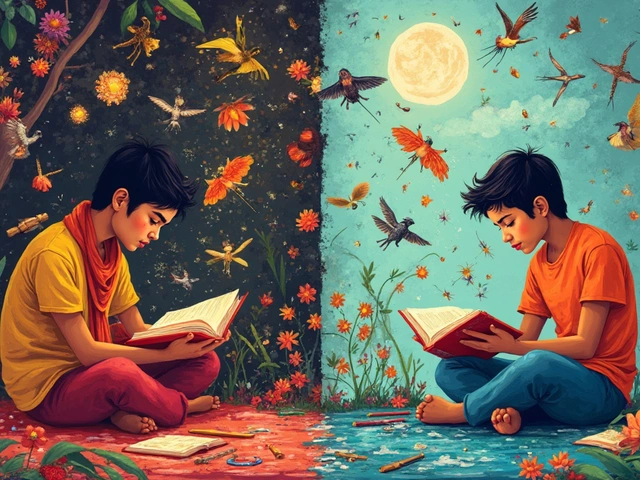
Generational Reading & Coping Style Analyzer
Find Your Literary Archetype
Select the options that best describe your current situation to see how your generation typically copes through reading.
There is a quiet shift happening in our living rooms, libraries, and coffee shops. If you look closely at what people are buying, borrowing, or highlighting on their e-readers, you might spot a pattern that has nothing to do with bestseller lists and everything to do with survival. For years, we debated which generation had it hardest. Was it the Boomers who built modern society from scratch? Or Millennials, who watched the economy collapse right as they entered the workforce? But by 2026, the data points clearly to one group: Generation Z.
They are widely considered the unhappiest generation in recent history. This isn't just a feeling; it’s backed by surveys, clinical reports, and even the books they choose to read. When you understand why this cohort feels so disconnected and anxious, you start to see how literature has become their primary coping mechanism. We aren't just talking about entertainment here. We are looking at how storytelling serves as a mirror for collective trauma.
The Data Behind the Despair
To call a generation "unhappy" requires more than anecdotal evidence. Researchers have been tracking mental health metrics across decades, and the trend line for those born between 1997 and 2012 is steep. According to global health organizations, rates of depression and anxiety among young adults have doubled since the early 2010s. In Australia alone, where I spend my days navigating the coastal heat and urban bustle of Sydney, youth suicide prevention charities report record-high demand for services.
Why now? Several factors collide to create this perfect storm. First, there is the economic reality. Housing prices in major cities like Sydney, London, and New York have skyrocketed beyond the reach of first-time buyers. A standard salary no longer guarantees stability. Second, the digital landscape has changed. Unlike Millennials, who adopted the internet as it grew, Gen Z was born into it. They face constant social comparison through curated feeds on platforms like Instagram and TikTok. The pressure to perform happiness while feeling isolated is unprecedented.
Furthermore, the climate crisis looms large. Many young people feel a profound sense of dread about the future of the planet, a phenomenon psychologists call "eco-anxiety." When you combine financial insecurity, digital burnout, and existential fear, you get a generation that is statistically more likely to report feeling lonely, stressed, and hopeless than any previous group at the same age.
Reading as a Mirror for Mental Struggles
If you want to know how a generation feels, look at what they read. Book sales data from 2024 to 2026 reveals a striking shift in preferences. There has been a massive surge in genres that deal directly with trauma, grief, and identity. Literary fiction that explores complex emotional states is outselling traditional adventure stories among readers under 30.
Young Adult (YA) Fiction used to be seen as a stepping stone to adult literature. Today, it is a dominant force because it speaks directly to the current mood. Themes of dystopian societies, where characters fight against oppressive systems, resonate deeply with young adults who feel powerless against real-world institutions. These stories provide a safe space to process anger and frustration. Instead of escaping reality entirely, these readers are seeking narratives that validate their struggles.
We also see a rise in non-fiction focused on mental health resilience. Books by therapists and psychologists that offer practical tools for managing anxiety are flying off shelves. This isn't passive consumption. It's active self-help. Readers are turning to authors who can articulate feelings they themselves struggle to name. The act of reading becomes a form of dialogue with oneself, helping to untangle the knots of daily stress.

The Role of Social Media in Shaping Taste
You cannot discuss modern reading habits without mentioning BookTok. This subculture on TikTok has revolutionized how books are discovered and consumed. Short-form video reviews often focus on emotional impact rather than plot mechanics. A book that makes viewers cry or feel understood goes viral quickly. This algorithm-driven discovery process amplifies titles that cater to specific emotional needs.
For an unhappy generation, this creates a feedback loop. Algorithms identify users who engage with content about sadness or anxiety and feed them more of it. While this can lead to echo chambers, it also builds community. Readers find others who share their pain, reducing the sense of isolation. Comments sections under popular book videos often turn into support groups, where strangers exchange advice and empathy. In this way, social media transforms solitary reading into a shared experience.
However, there is a downside. The pressure to consume certain "trending" books can feel overwhelming. Some readers report feeling guilty if they don't finish a highly recommended title or if their emotional reaction doesn't match the online consensus. This adds another layer of performance anxiety to an already stressful lifestyle. The key is finding balance-using these platforms for connection without letting them dictate your worth.
Comparing Generational Coping Mechanisms
| Generation | Primary Stressors | Dominant Reading Genre | Coping Style |
|---|---|---|---|
| Baby Boomers | Economic instability, Cold War fears | Historical Fiction, Biographies | Seeking order and legacy |
| Millennials | Recession, student debt, housing crisis | Science Fiction, Memoirs | Nostalgia and escapism |
| Generation Z | Climate change, digital overload, loneliness | Literary Fiction, Mental Health Non-Fiction | Validation and processing |
Looking at this table, you can see a clear evolution. Boomers sought structure in historical accounts. Millennials looked for escape in sci-fi or reflection in memoirs. Gen Z, however, wants validation. They want stories that say, "Your pain is real, and you are not alone." This distinction matters because it changes how publishers market books and how libraries curate collections. Understanding these differences helps us support each other better.
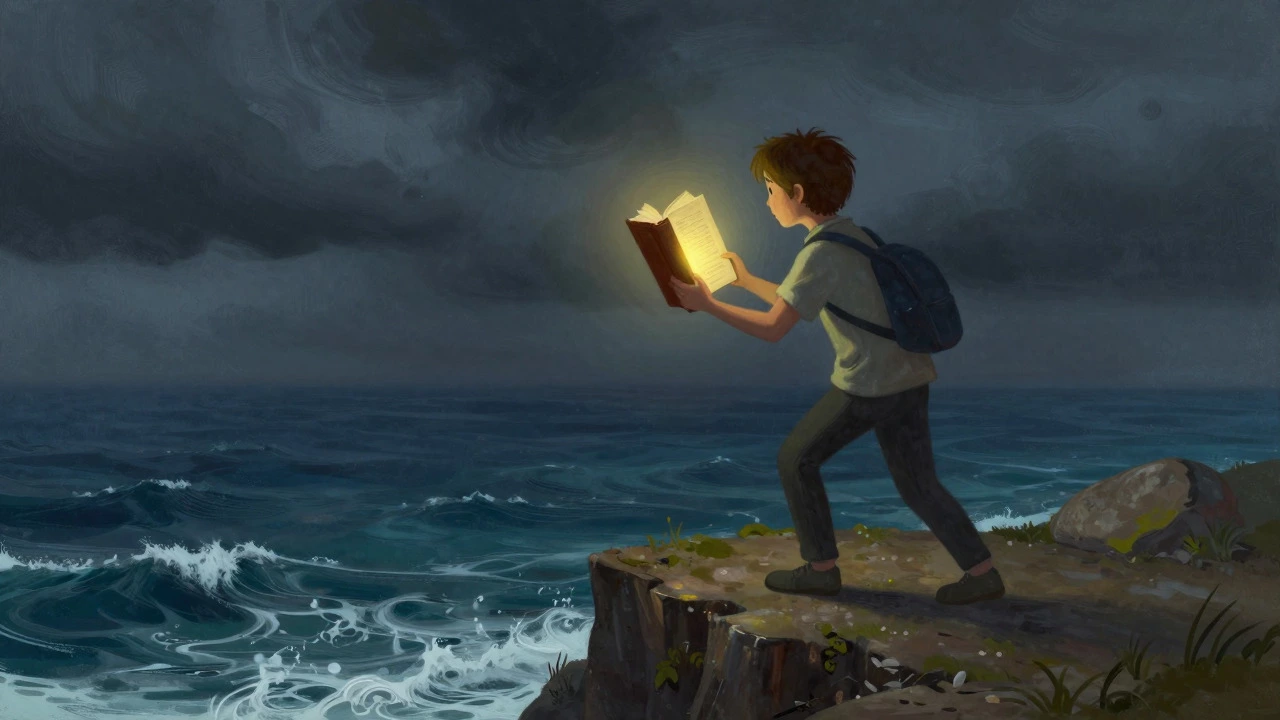
Practical Steps for Finding Comfort in Books
If you belong to this generation-or if you care about someone who does-here are some ways to use reading therapeutically. First, prioritize authenticity over prestige. Don't pick a book because it won an award. Pick it because the premise resonates with your current state. If you're feeling overwhelmed, try short essays or poetry instead of dense novels. These formats allow for quicker emotional release without demanding hours of sustained focus.
Second, join a local book club. In a world dominated by screens, face-to-face interaction is vital. Many libraries in Sydney and elsewhere offer free groups specifically for discussing mental health-related topics. Sharing your thoughts aloud helps solidify your understanding and connects you with neighbors who might be struggling silently too. Human contact remains the most effective antidote to loneliness.
Third, keep a reading journal. Write down passages that strike a chord. Note why they matter to you. This practice turns passive reading into active reflection. Over time, you'll build a personal archive of insights that can guide you through tough moments. It’s a simple tool, but it fosters mindfulness and self-awareness.
Is There Hope on the Horizon?
Despite the grim statistics, there is reason for optimism. Gen Z is also the most socially aware and activist-oriented generation yet. They are pushing for systemic changes in healthcare, education, and environmental policy. Their engagement with literature reflects this drive-they seek solutions, not just sympathy. Publishers are responding by commissioning more diverse voices and inclusive stories. This diversity ensures that more people see themselves represented in the pages they turn.
Moreover, the conversation around mental health is becoming normalized. What was once stigmatized is now discussed openly in schools and workplaces. As stigma decreases, access to support increases. Reading plays a part in this cultural shift by providing language and frameworks for difficult emotions. Every book sold is a small step toward greater empathy and understanding.
So, while Gen Z may currently hold the title of the unhappiest generation, they are also the most equipped to challenge the status quo. They are using every tool available-including books-to navigate their world. And in doing so, they are paving the way for healthier, more connected futures for all of us.
Why is Generation Z considered the unhappiest generation?
Generation Z faces unique challenges including economic instability, high housing costs, climate anxiety, and intense social media pressure. Studies show higher rates of depression and anxiety compared to previous generations at the same age. These factors combine to create a sense of uncertainty and isolation that defines their collective experience.
How does reading help with mental health?
Reading provides validation, reduces loneliness, and offers new perspectives. Stories allow readers to process emotions safely, while non-fiction provides practical strategies for coping. Engaging with literature stimulates empathy and encourages self-reflection, making it a powerful tool for emotional well-being.
What types of books are popular among young adults today?
Currently, literary fiction dealing with trauma, Young Adult dystopian novels, and mental health-focused non-fiction are very popular. These genres resonate because they address themes of identity, societal pressure, and resilience, which are central concerns for many young people.
Can social media negatively affect reading habits?
Yes, algorithms can create echo chambers where users only see content reinforcing negative emotions. Additionally, the pressure to keep up with trending books can add stress. However, platforms like BookTok also foster community and discovery, so mindful usage is key.
How can I start using books for therapeutic purposes?
Start by choosing books that reflect your current feelings or interests. Join a local book club for social connection. Keep a journal to write down reflections on what you read. Focus on authenticity rather than prestige, and allow yourself to drop books that don't serve your emotional needs.