Historical Fiction: Real Events, Real Stories, Real Emotions
When you read historical fiction, a genre that blends real historical events with imagined characters and dialogue. It's not a textbook, but it’s not pure fantasy either—it’s the space where history breathes. Think of it as time travel you can hold in your hands. You’re not just learning about the Titanic—you’re feeling the cold, hearing the screams, walking the deck with someone who wasn’t there but could have been. That’s the power of historical fiction. It doesn’t replace history—it makes it personal.
What makes this genre work isn’t just the setting. It’s how it ties real people, places, and moments to emotional truths. Take biblical history. Is the Bible a record of facts or a collection of stories shaped by faith, politics, and memory? Books like the one on Bible: Historical Fact or Fiction? ask the same questions you might whisper to yourself: How much of what we believe is written down, and how much is passed down? Then there’s ancient texts, the oldest pages humans ever wrote. Those weren’t novels, but they were stories—about gods, kings, floods, and survival. And guess what? Modern historical fiction still uses those same building blocks: conflict, identity, loss, and meaning.
Some people think Jane Austen belongs here. She didn’t write about wars or empires, but she captured a world that no longer exists—the rules, the silences, the unspoken power plays of 1800s England. Her books aren’t about big events, but they’re deeply historical because they show how ordinary lives were shaped by their time. Same with the I Survived series. It’s for kids, but it doesn’t sugarcoat the Great Depression or 9/11. It gives young readers a way to feel history, not just memorize dates.
And then there’s the noise—the myths. Who really died on the Titanic? Was it a millionaire, a movie star, or just a lucky few who made it out? historical fiction thrives where the records are fuzzy. That’s where imagination steps in—not to lie, but to fill the gaps where silence lives. That’s why you’ll find articles here that dig into what’s real, what’s made up, and why it still matters.
You won’t find dry lists of dates here. You’ll find stories that stick. Stories about gods people believed in, books older than nations, lives lost on sinking ships, and quiet moments in drawing rooms that changed everything. Whether you’re drawn to the grand sweep of empires or the small, trembling voice of a child surviving a disaster, this collection gives you the human side of history. And that’s the only kind that lasts.
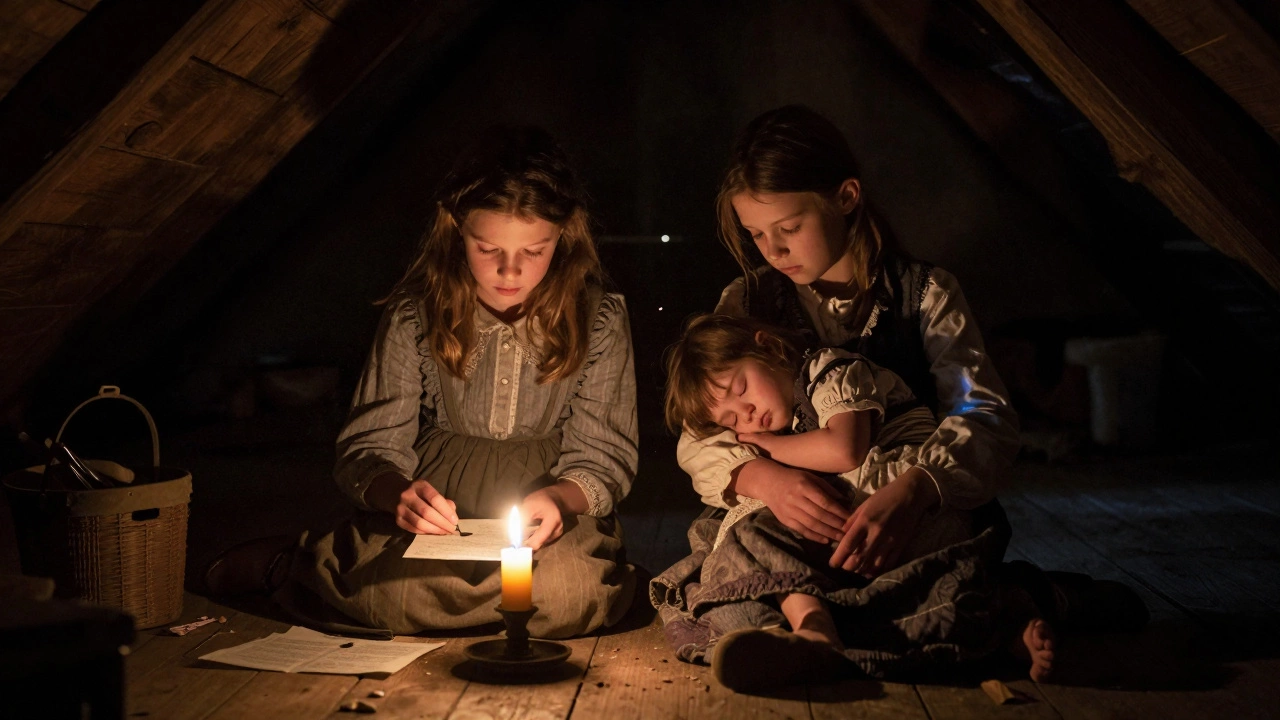
What Is an Example of a Historical Fiction Story?
An example of historical fiction is a story grounded in real historical events but told through fictional characters. Books like 'The Nightingale' bring history to life by focusing on personal struggles during wars, oppression, and social change - making the past feel personal and unforgettable.
View More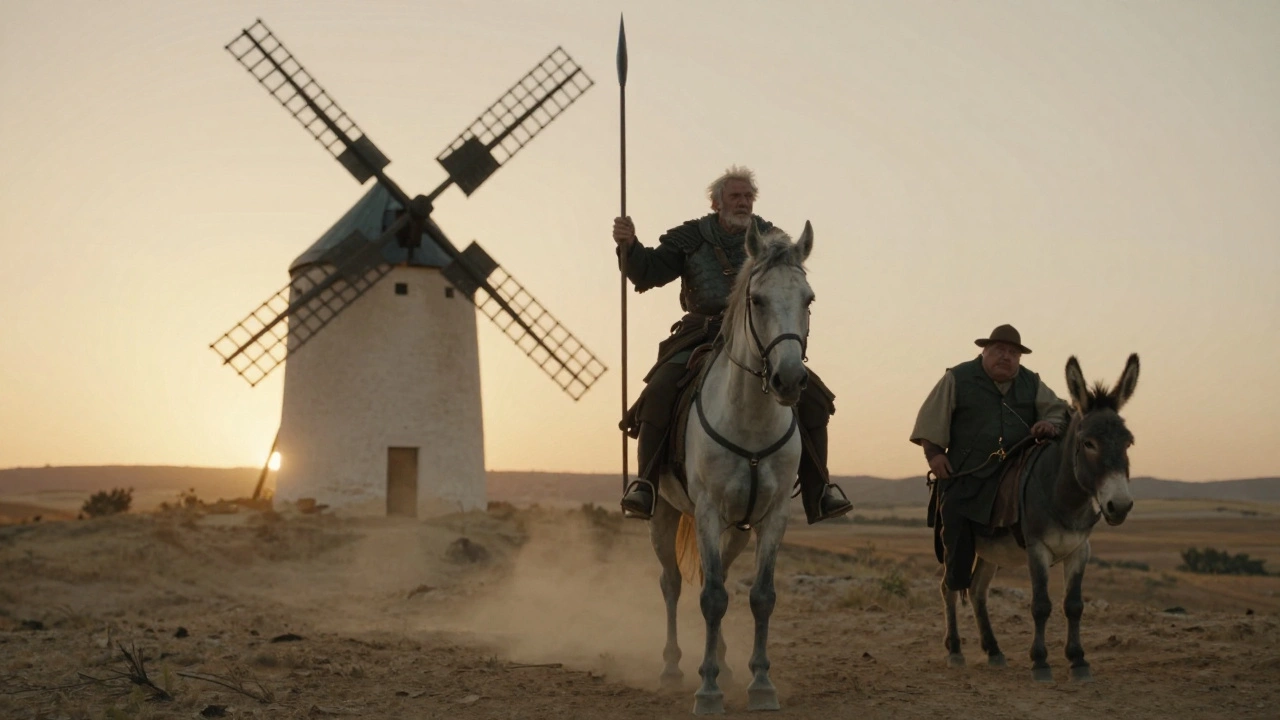
What Is the Second Best-Selling Book of All Time?
Don Quixote is the second best-selling book of all time, with over 500 million copies sold. This 17th-century Spanish novel about a dreamer who fights windmills changed literature forever-and still speaks to readers today.
View More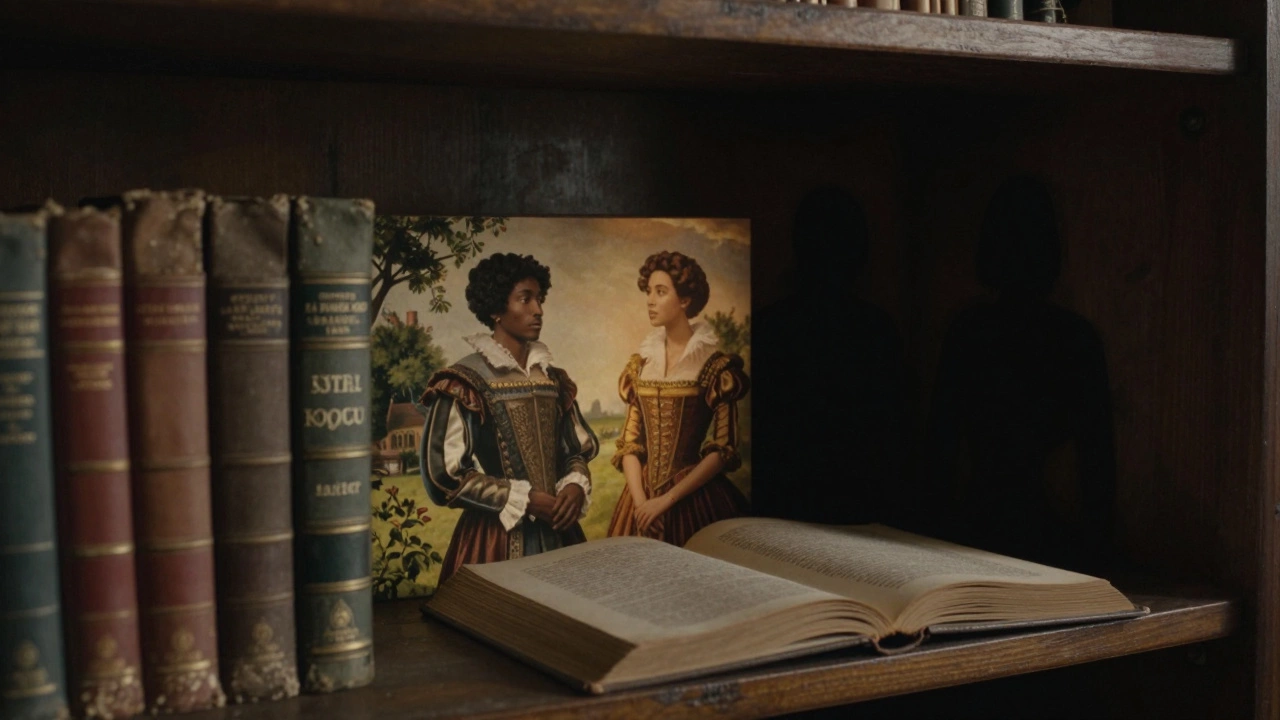
Why Is Historical Fiction Controversial?
Historical fiction sparks controversy because it reshapes real suffering into entertainment, silences marginalized voices, and blurs the line between fact and fantasy. Who gets to tell the past-and how-matters more than ever.
View More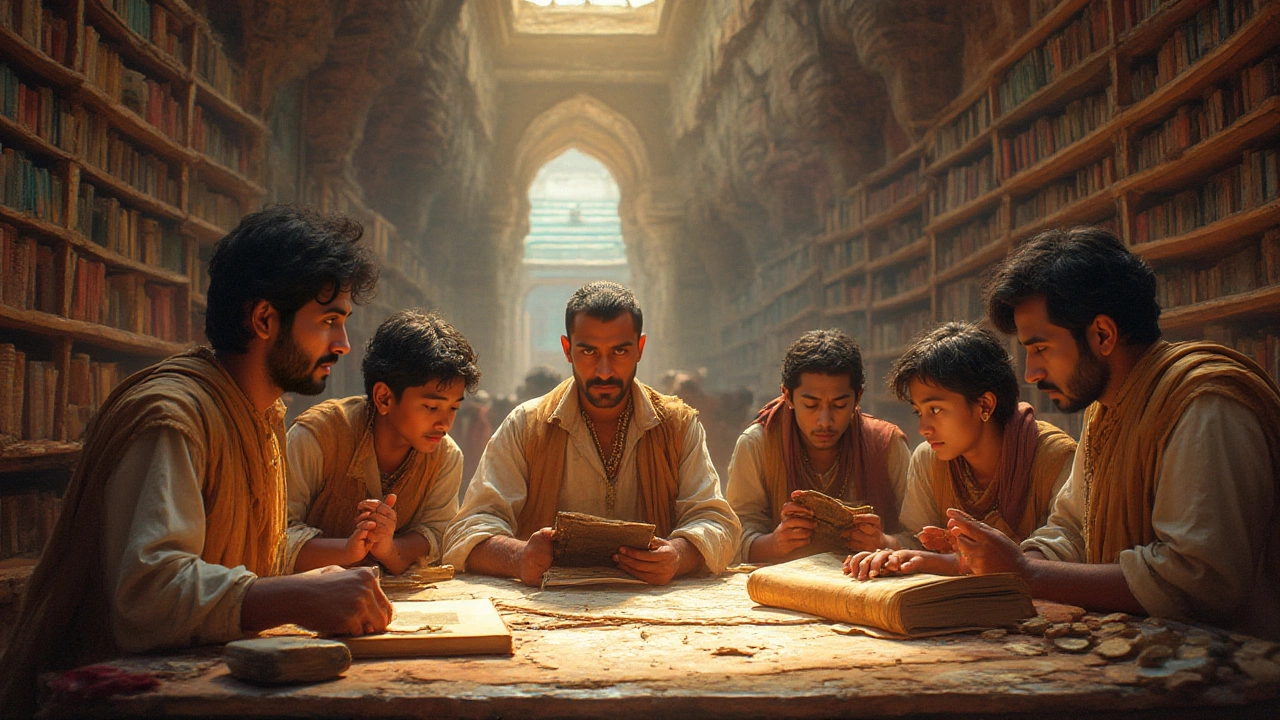
Bible: Historical Fact or Fiction? Exploring Ancient Texts and Truths
Does the Bible read like a history book or fantasy novel? Dive deep into archaeology, scholarship, and historical records to unlock what’s truly behind the Bible’s stories.
View More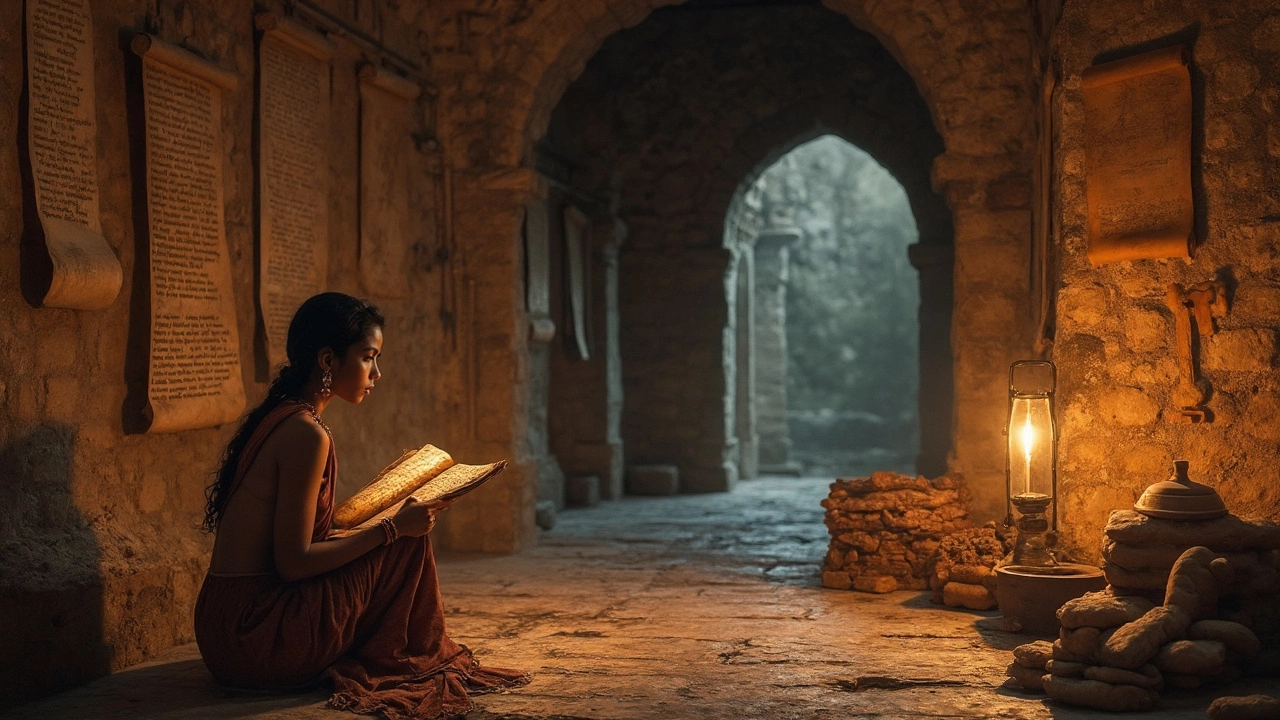
Oldest Book in History: Unpacking Humanity’s First Pages
Curious about the world's oldest book? This article digs into the earliest written texts, exploring what counts as a 'book,' the wild stories they hold, and how they shaped early stories and civilizations. Get some fun facts that could easily impress anyone at a dinner party, and walk away with a deeper understanding of how stories first made it from brain to page. Perfect for historical fiction fans wanting to trace the roots of storytelling. You’ll find out why the oldest book is nothing like what’s sitting on your shelf.
View More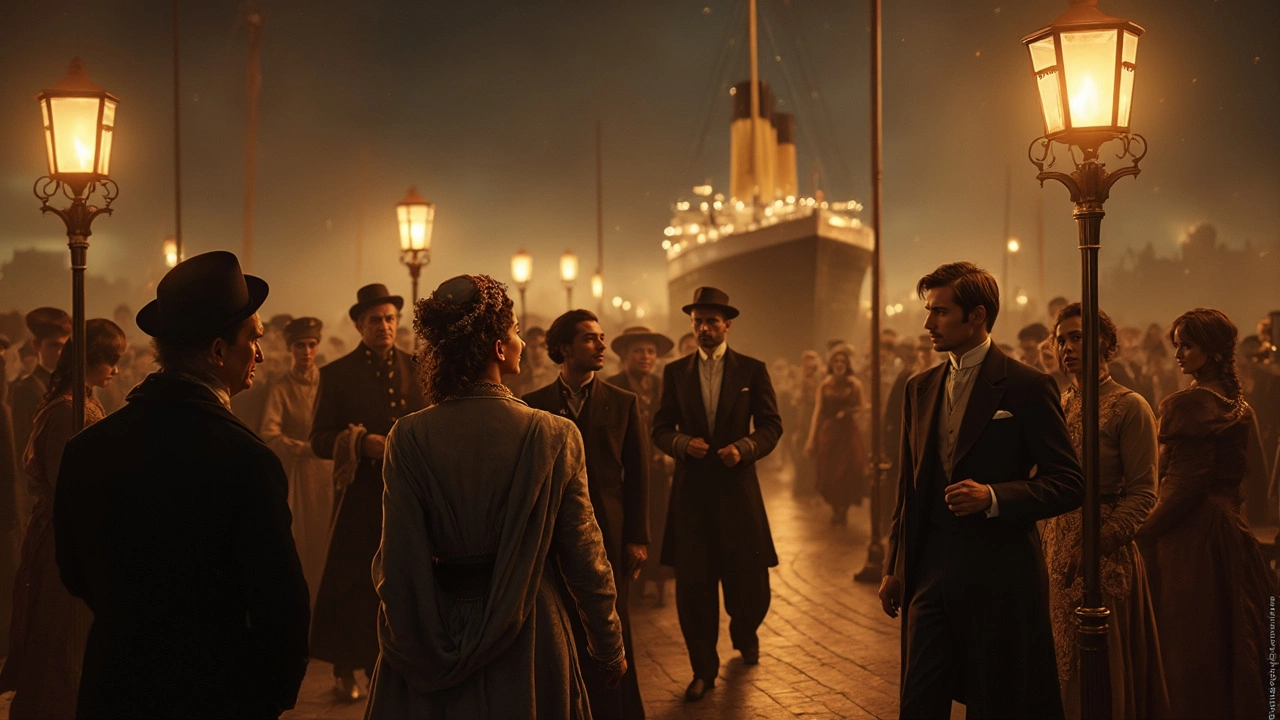
What Famous Person Died on Titanic? Untangling Fact from Fiction
Everyone's heard stories about the Titanic sinking, but did any actual famous people die that night? This article digs into who really boarded the Titanic, who met a tragic end, and how fiction has sometimes mixed up the truth. You'll get a clear list of known figures, learn how myths about celebrities on the Titanic spread, and find real stories that are as gripping as any movie plot. By the end, you'll know exactly which names keep coming up—and which of those are just legends.
View More
Is There a God or Not? A Dive into Historical Fiction
The question of God's existence has intrigued humans for centuries, threading through various civilizations and their myths, stories, and records. This article explores the complex tapestry of belief systems recorded through history, using historical fiction as a lens to understand human pursuits for divine answers. We delve into intriguing tales and pivotal moments that shaped how different societies perceived divinity. By examining these culturally rich narratives, we gain insight into humanity's age-old quest for meaning and the divine. Through historical fiction, we illuminate echoes of past beliefs and their lasting impact on our present-day world.
View More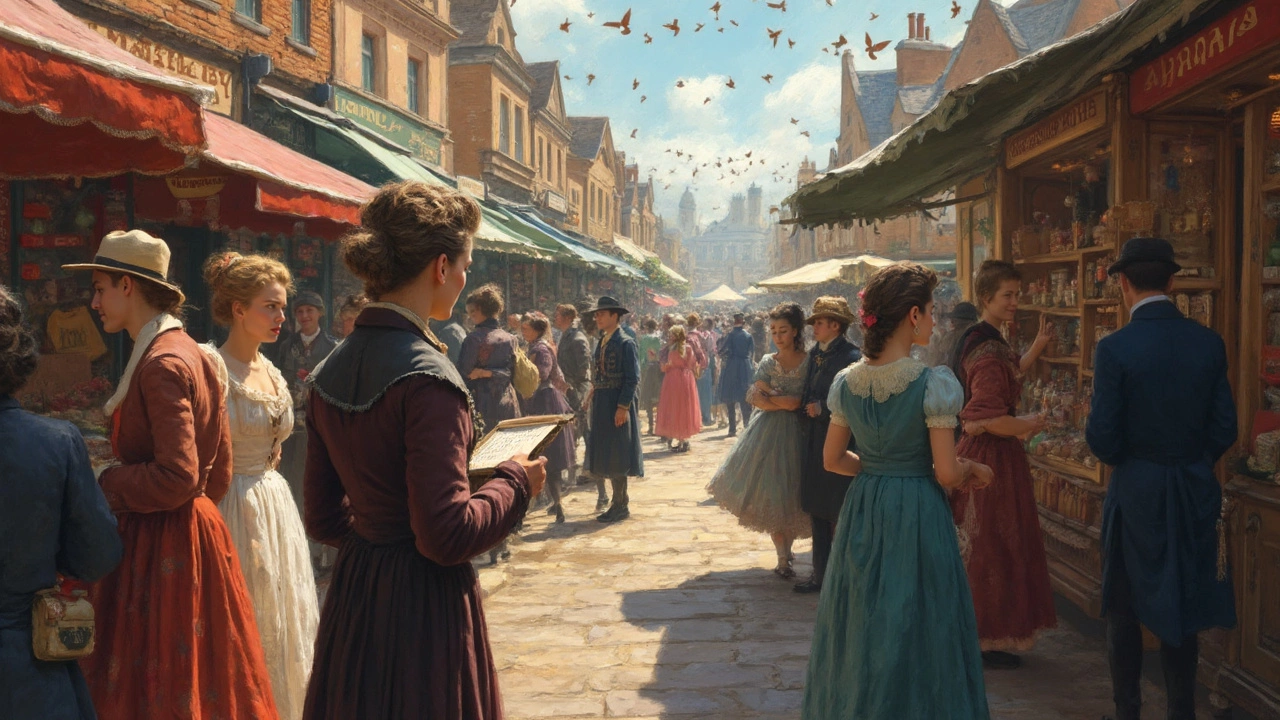
Is Jane Austen Historical Fiction? Unveiling the Genre
The debate over whether Jane Austen's novels fall under the category of historical fiction piques the curiosity of literary enthusiasts. This article delves into the defining characteristics of historical fiction and compares them to Austen's works. It sheds light on the historical context within Austen's stories and the author's insightful portrayal of her contemporary society. Readers will gain a better understanding of Austen's place in the literary world.
View More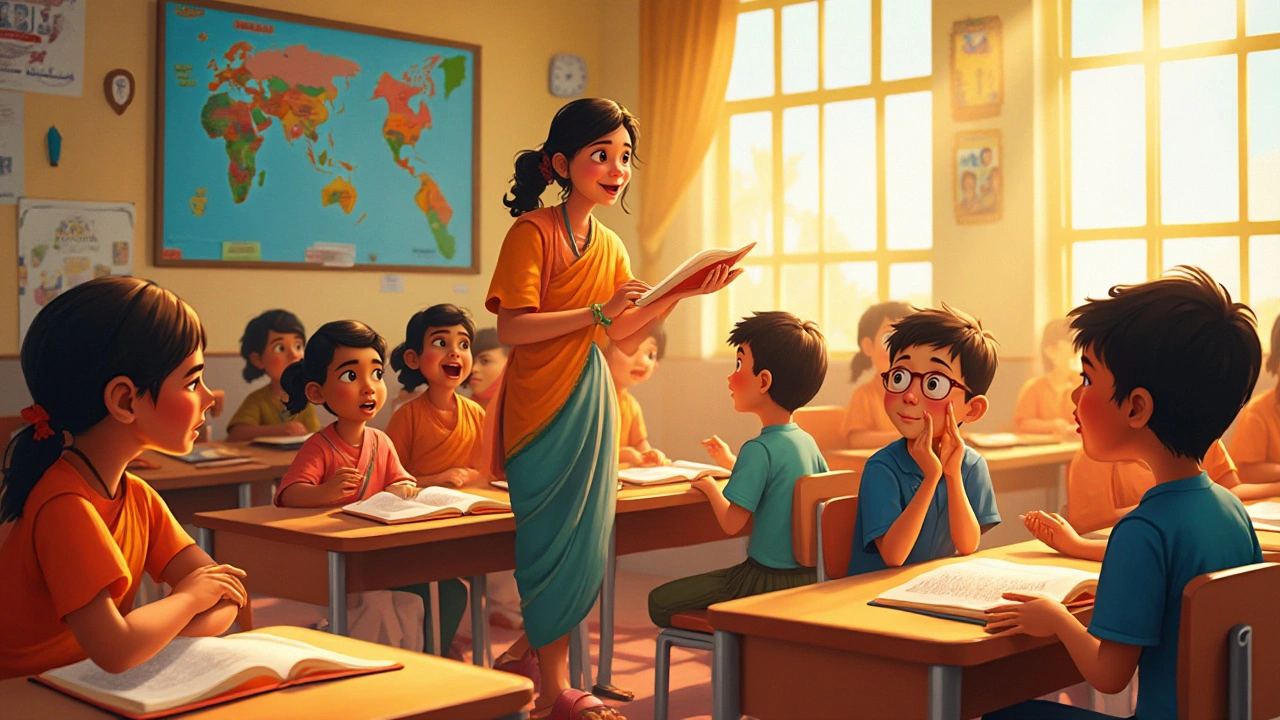
Is 'I Survived' Truly Historical Fiction?
This article delves into the popular 'I Survived' book series to explore whether it can be considered true historical fiction. The series, aimed at young readers, takes real historical events and weaves them into harrowing fictional narratives. By examining its storytelling approach, historical accuracies, and educational impact, we discover how 'I Survived' balances fact and fiction. The compelling series not only entertains but also serves as an educational gateway, sparking curiosity about significant historical events among its audience.
View More