Young Adult Fiction: What It Is, Who Reads It, and Why It Matters
When you hear young adult fiction, a category of literature aimed at readers aged 12 to 18, but often enjoyed by people of all ages. Also known as YA fiction, it's not just about teenage protagonists—it's about big emotions, identity struggles, and real-world choices told in a voice that feels personal and urgent. These stories don’t talk down to readers. They meet them where they are: figuring out who they are, what they believe in, and how to handle heartbreak, pressure, or change. That’s why young adult fiction isn’t just for teens—it’s for anyone who remembers what it felt like to be caught between childhood and adulthood.
Many people assume middle grade, a category of books for readers aged 8 to 12, often featuring younger protagonists and simpler conflicts. Also known as MG books, it's just a step before YA is the same as YA, but they’re not. Middle grade books focus on friendship, family, and discovery—YA dives into romance, independence, systemic issues, and moral gray areas. You can tell them apart by the stakes: a middle grade hero might save a pet or win a science fair. A YA hero might fight a dictatorship or question their own identity. And yes, LGBTQ representation, the inclusion of characters who identify as lesbian, gay, bisexual, transgender, queer, or other non-heteronormative identities. Also known as inclusive storytelling, it's become a core part of modern YA isn’t an afterthought anymore—it’s expected. Books like Rick Riordan’s Percy Jackson series now include diverse characters not as side notes, but as central to the story.
So who reads YA? Teens, sure. But also 20-year-olds, 30-year-olds, even parents looking for books their kids love. Why? Because YA doesn’t sugarcoat life. It tackles anxiety, grief, social pressure, and self-worth in ways that feel honest. You don’t need to be 16 to relate to Katniss Everdeen’s survival instincts or to wonder if you’re good enough like the characters in John Green’s novels. The best YA doesn’t just entertain—it helps you make sense of your own world. And that’s why you’ll find adults rereading The Hunger Games, picking up LGBTQ-focused YA for the first time, or trying to figure out if a book they love actually counts as YA at all.
There’s no rulebook for who gets to read YA. Publishers don’t check IDs. Librarians don’t ask for proof of age. If a book speaks to you—whether you’re 13 or 35—it’s the right book for you. Below, you’ll find clear guides on spotting real YA, understanding age ratings, breaking myths about who should read it, and finding stories that match your life, not just your birth year.
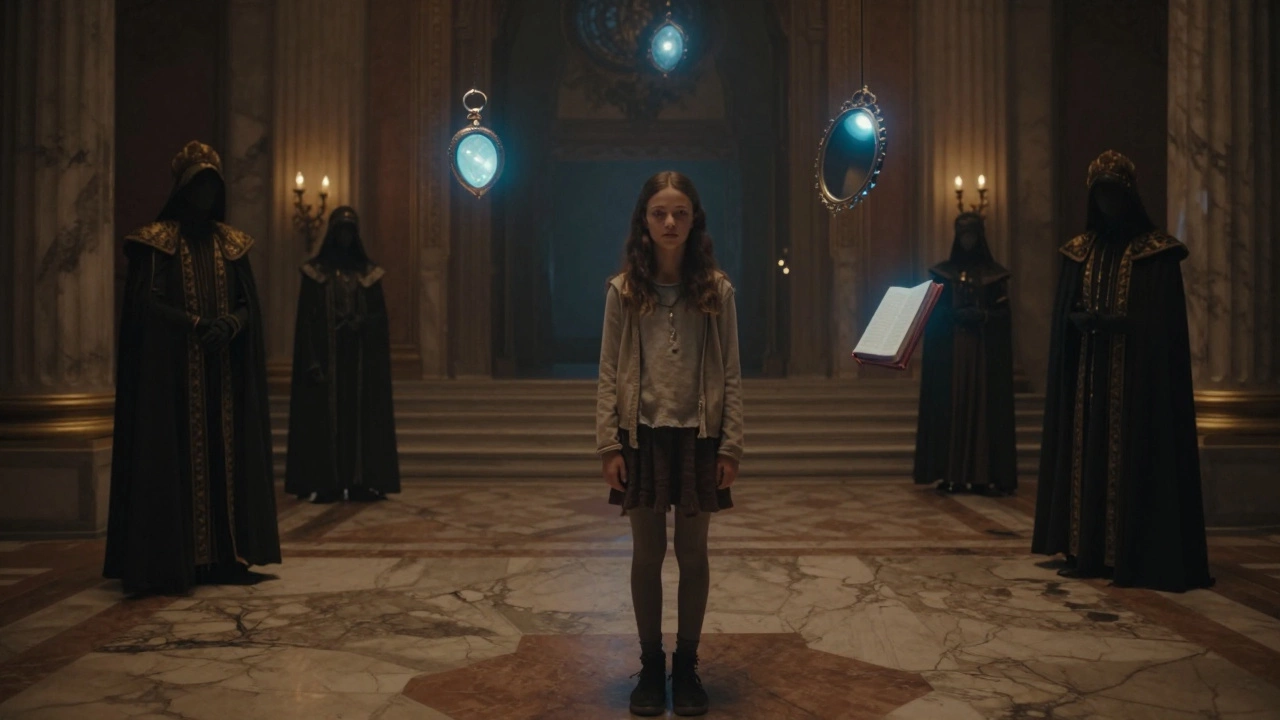
Is Powerless a Young Adult Book? Here's What You Need to Know
Powerless by Victoria Aveyard is a young adult fantasy novel about a girl with no magic in a world that values power. It explores identity, inequality, and quiet courage-perfect for teens who feel invisible.
View More
What Genre Is Billie Myers? Understanding Her Writing Style in Young Adult Fiction
Billie Myers writes emotional speculative fiction in the Young Adult space, blending quiet magic with real teen struggles. Her stories explore invisibility, silence, and being unseen-not through dragons or spells, but through metaphors that feel deeply personal.
View More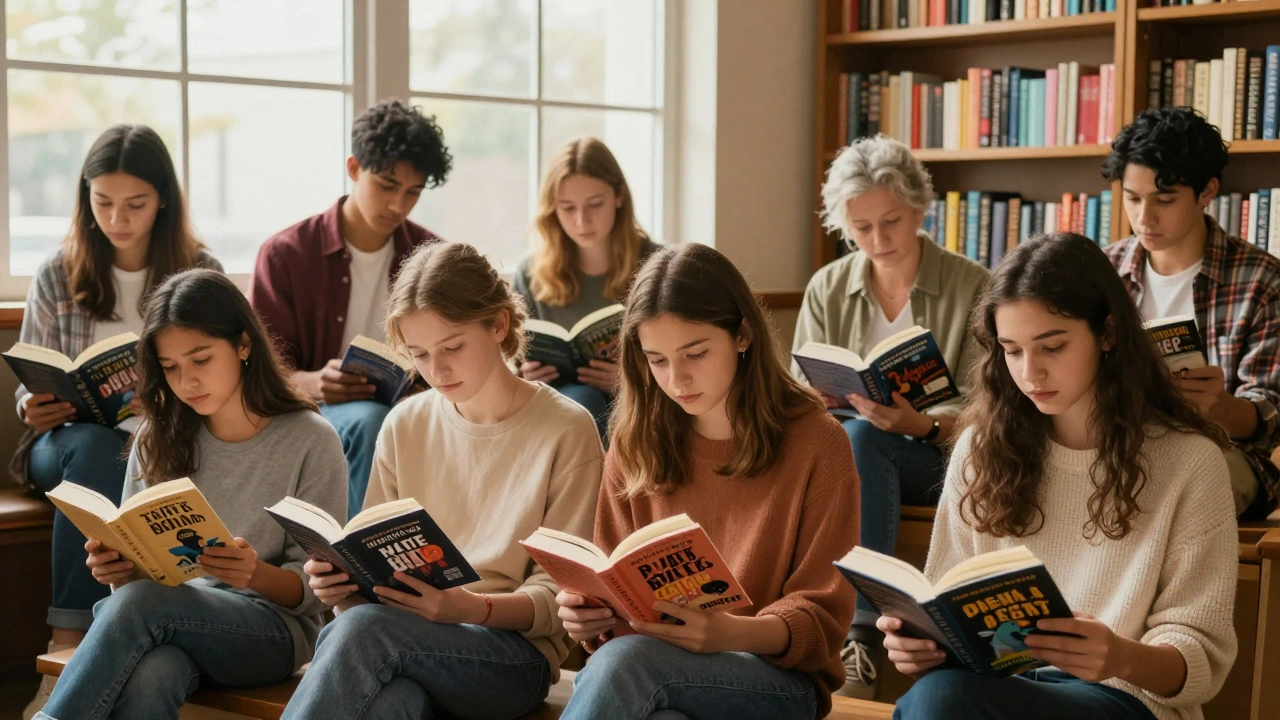
Who Is the Audience for Young Adult Fiction?
Young adult fiction isn't just for teens-it's for anyone who remembers what it feels like to search for identity, face hard truths, and believe in hope. The real audience is wider than you think.
View More
What Age Group Is a Young Adult? A Quick Guide for YA Readers
Ever wondered what age group actually counts as 'young adult' in books? This article digs into the exact ages for YA, how those lines get blurred, and why publishers pick certain age brackets. You'll find tips for picking the right books, plus a look at why some younger or older readers end up loving YA stories too. The info helps both curious parents and readers find what fits. Dive in if you want to get past the confusing labels around YA fiction.
View More
Can a 20 Year Old Read YA? Busting the Age Myth
Lots of people think young adult (YA) fiction is only for teens, but that’s far from true. This article unpacks why plenty of adults, including 20 year olds, dive into YA books. We’ll look at what draws older readers in, whether publishers actually care about your age, and how to find YA that fits your life. Plus, there are some practical tips to get the most out of your next YA read. Curious if you can (or should) read YA as a 20 year old? Here’s what you need to know.
View More
How to Tell if a Book Is YA: Quick Signs You Can't Miss
Have you ever picked up a book and wondered if it counts as YA? This article breaks down the key features that make a book young adult. Learn to spot the signs, from character age to writing style. Discover the line between teen and adult fiction, plus tips for choosing the right books for you. Perfect for anyone feeling lost in the library aisles.
View More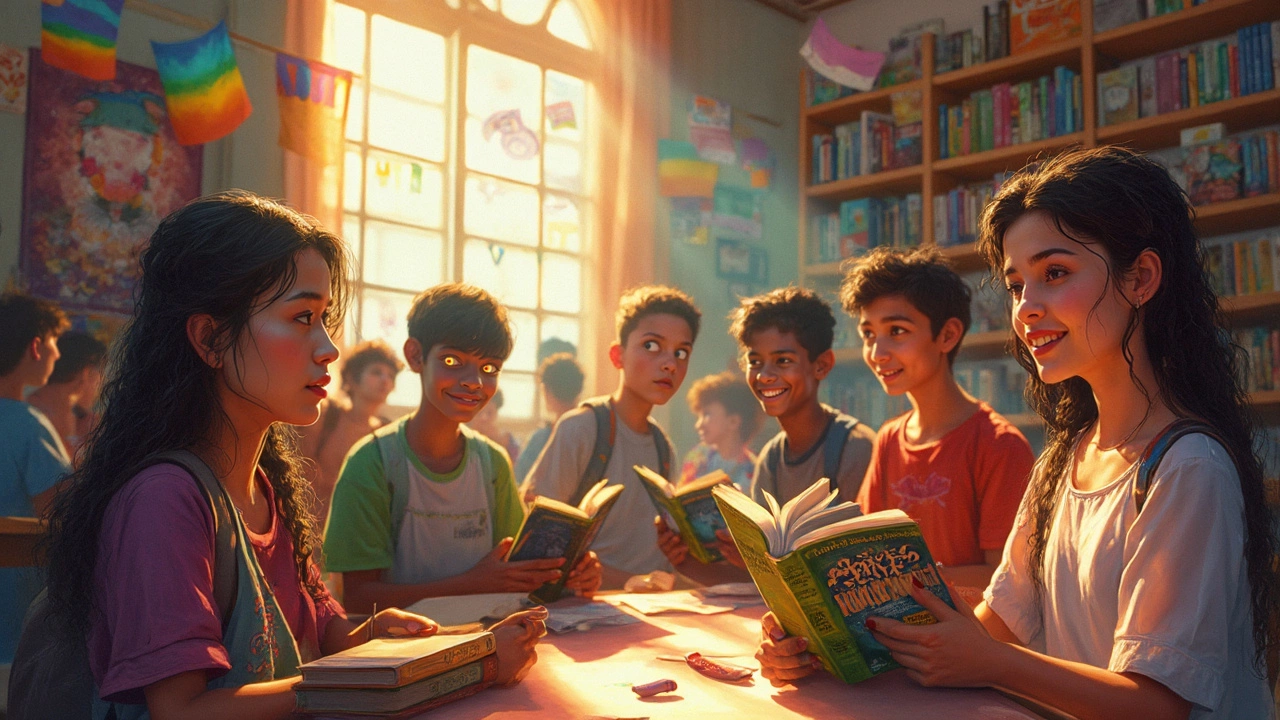
Is Percy Jackson LGBTQ? Facts, Characters, and Representation
Wondering if Percy Jackson identifies as LGBTQ? This article digs into the character's sexual orientation, the author’s intentions, and how the Percy Jackson universe handles LGBTQ representation. It also highlights key LGBTQ characters in the series and offers tips for readers seeking inclusive young adult books. If you’re curious about inclusivity and identity in Percy Jackson’s world, you’ll find practical answers here.
View More
Age Rating of 'The Hunger Games' Book: What You Need to Know
Wondering if 'The Hunger Games' is suitable for young readers? This article delves into the age rating of the popular book, offering insights into its themes and why it appeals to both teenagers and adults. Learn about the content warnings, find out what makes it a must-read in young adult fiction, and see some tips for parents and educators.
View More
What Does MG Stand for in Books?
MG stands for 'middle grade' in books, a category that's distinct from young adult fiction. It targets readers aged 8-12, offering stories that bridge the gap between children's and teenage literature. Often filled with adventure and discovery, MG books capture the imagination with relatable themes. While they might feature young protagonists, these stories are crafted to offer both excitement and valuable lessons.
View More
Why Read Young Adult Fiction: Unpacking its Magic
Exploring why young adult fiction remains a favorite among readers. From relatable characters to addressing relevant themes, YA books offer more than just entertainment. They provide a space for self-discovery and understanding complex emotions. This article delves into the magnetic appeal of these stories and how they bridge different stages of life.
View More
What Age Group Should Explore Young Adult Fiction?
Young adult fiction, commonly known as YA, usually targets teenagers, but its appealing themes and stories often attract a wider audience that includes even adults. While YA books are often associated with the teenage reader, the question of the ideal age for reading YA often sparks debate. This article explores the various age groups that can benefit from YA literature, stressing its impact on young minds and beyond. It also offers insights on suitable themes and books for different age brackets to enrich the reading experience.
View More